

 English
  Français
  Español
  Русский
  Português
Common Mistakes When Choosing a Toggle Latch (and How to Avoid Them)
Views : 176
Update time : 2026-03-10 13:48:54
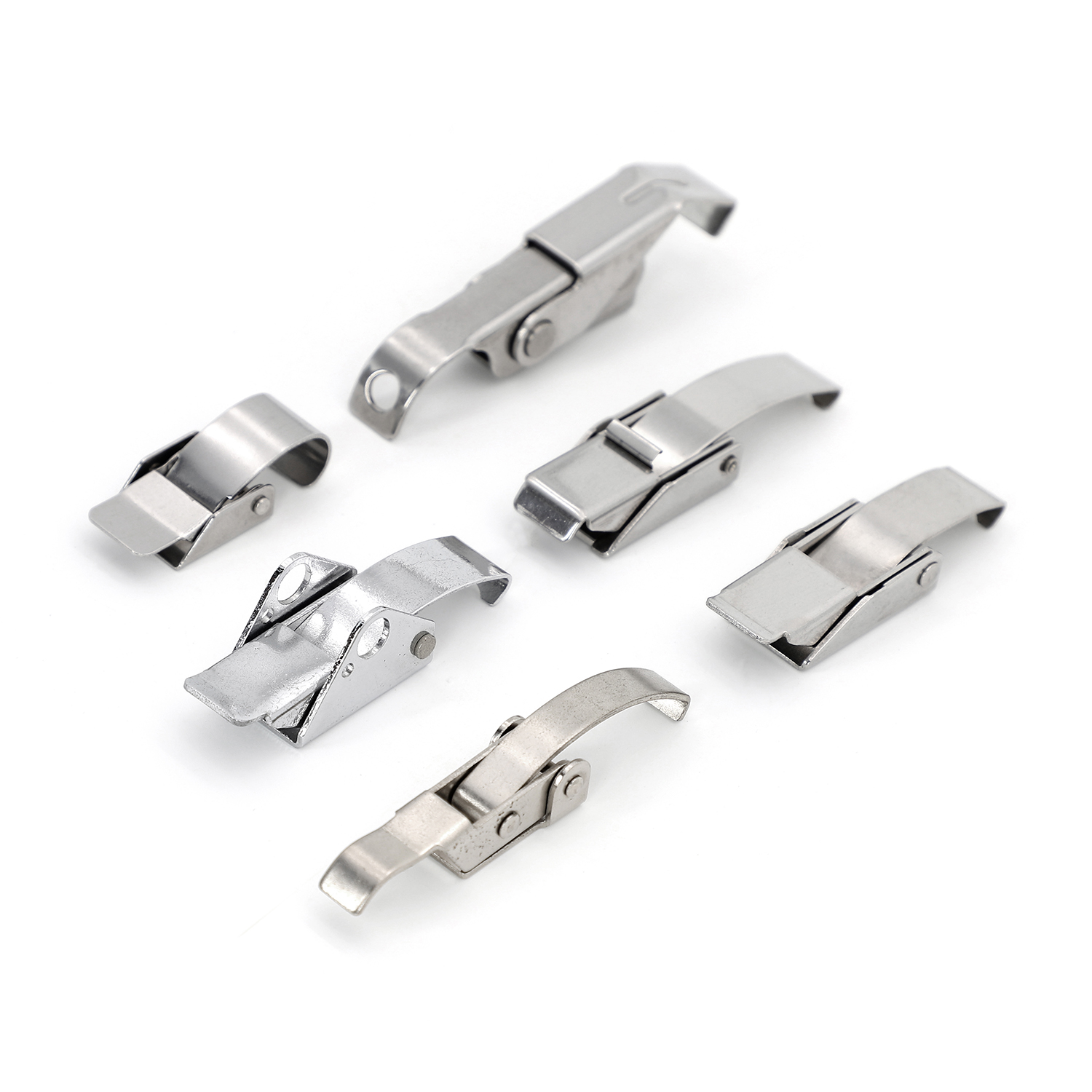
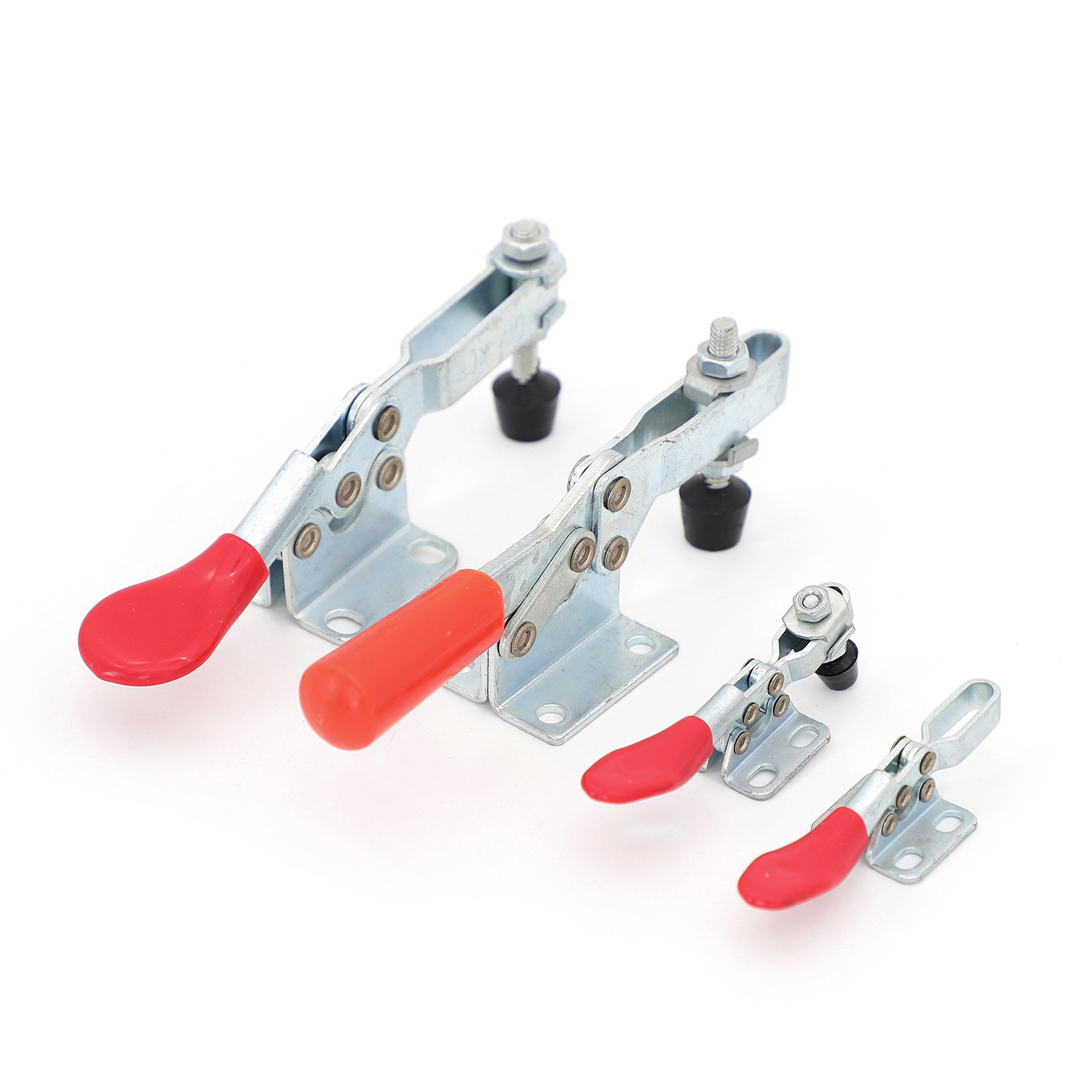
Toggle latches are widely used in industrial equipment, enclosures, transport cases, and machinery panels because of their strong clamping force and quick-release operation. However, selecting the wrong toggle latch can lead to safety issues, poor performance, and increased maintenance costs. Understanding the most common mistakes when choosing a toggle latch—and how to avoid them—can help ensure reliable and long-lasting fastening in industrial applications.
1. Ignoring Load Capacity Requirements
One of the most common mistakes is choosing a toggle latch without carefully evaluating its load capacity. Every latch is designed to withstand a specific amount of force, and selecting a latch that is too weak can result in loosening, deformation, or failure.
How to avoid it: When it comes to toggle latches, calculating the expected load is crucial, and that includes considering both static and dynamic forces, like vibration or shock. To be on the safe side, it's a good idea to choose a toggle latch with a load rating that's higher than what you actually need, just to maintain a proper safety margin.
2.Choosing the Wrong Material
One common mistake people make is choosing the wrong material for their toggle latches. The material used can greatly affect how durable the latch is, and some buyers just go for standard steel latches without thinking about the environment they'll be used in. For example, if the latch will be exposed to humidity, chemicals, or the outdoors, standard steel might not be the best choice.How to avoid it: You should think carefully about where the latch will be used and what kind of conditions it will be exposed to. That way, you can choose a material that's suitable for the job and ensure your toggle latch lasts as long as possible.Match the material to the working environment. Stainless steel toggle latches are ideal for outdoor or corrosive environments, while zinc-plated or powder-coated steel latches may be sufficient for indoor industrial use.
3. Overlooking Vibration and Movement
In many industrial applications, equipment operates under constant vibration or movement. If the latch design cannot handle these conditions, it may gradually loosen over time.
How to avoid it:Choose toggle latches with over-center locking mechanisms or safety hook designs that resist vibration. These designs help maintain consistent clamping force even in dynamic environments.
4. Selecting the Wrong Latch Type
Not all toggle latches are designed for the same purpose. Some applications require adjustable tension, while others require quick access or extra security.
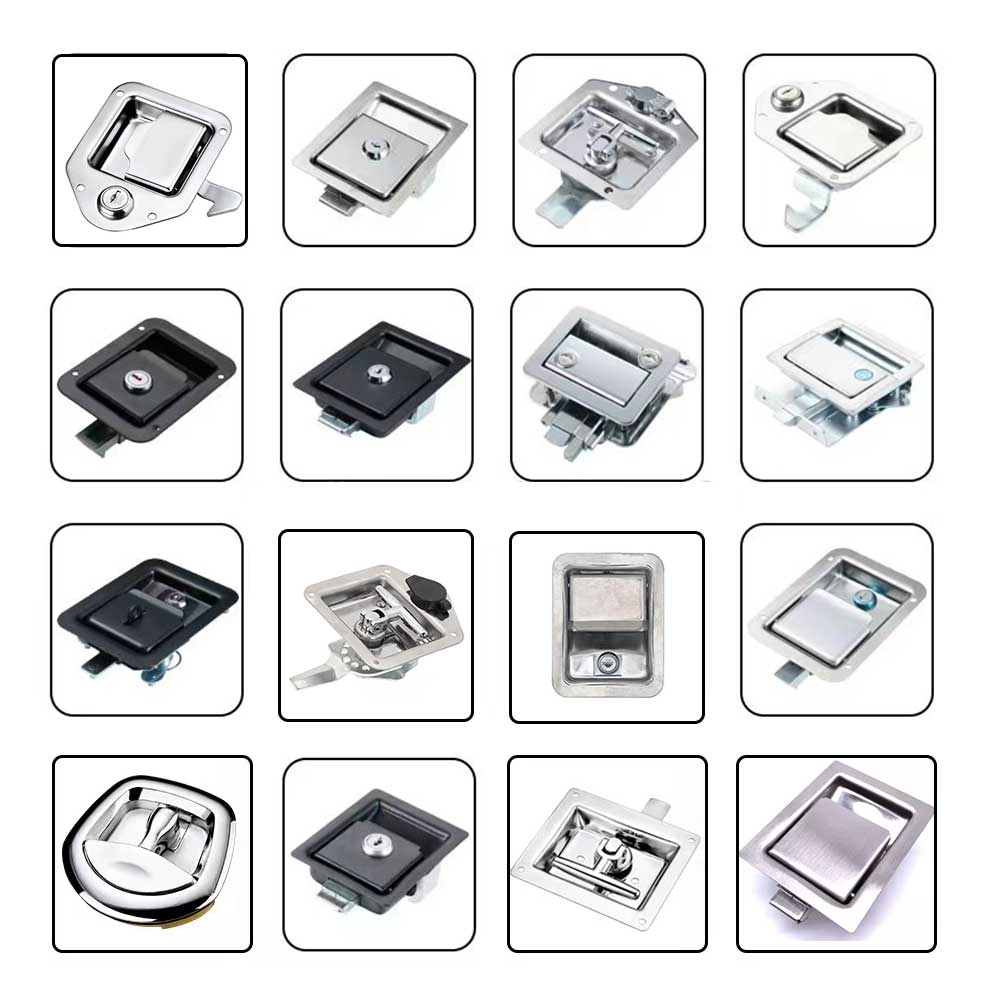
How to avoid it: Understand the different types of toggle latches available, such as standard toggle latches, adjustable toggle latches, and safety hook toggle latches. Select the type that best matches the functional needs of your equipment.
5. Ignoring Installation and Mounting Requirements
Improper installation can reduce the performance of even a high-quality toggle latch. Misaligned mounting holes or weak mounting surfaces may lead to uneven load distribution and premature wear.
How to avoid it: When you're choosing a latch, make sure it's the right size for where you're going to put it, and that the surface you're attaching it to is strong enough to hold the weight. You can also use adjustable hooks to get everything lined up just right when you're installing it.
How to avoid it: Think about what you really need from your latch, and balance that with the cost. Consider the materials it's made of, how well it's built, and what kind of warranty it comes with. A latch that's a bit more expensive upfront might save you money and headaches down the line.
6.Focusing Only on Price
Don't just focus on the price, though. While it's always important to consider cost, going for the cheapest option can mean you end up with a low-quality latch that doesn't last as long and costs more to maintain in the long run.How to avoid it: Think about what you really need from your latch, and balance that with the cost. Consider the materials it's made of, how well it's built, and what kind of warranty it comes with. A latch that's a bit more expensive upfront might save you money and headaches down the line.
Conclusion
When it comes to choosing the right toggle latch, you need to think about the whole package. This includes the quality of the materials, how much weight it can handle, how long it will last, and whether the supplier is trustworthy. Spending a bit more on a well-designed toggle latch can actually save you money in the long run by reducing costs over time. In the end, picking the right toggle latch is all about paying attention to the details. You need to consider how much weight it can handle, what it's made of, the design of the latch itself, and how it will be installed. By avoiding common mistakes, businesses can make their workplaces safer, their equipment more reliable, and make it last longer. When you choose the right toggle latch, you can be sure that your equipment will be securely fastened and will work dependably in all sorts of industrial settings.
Related News
Read More >>


