

 English
  Français
  Español
  Русский
  Português
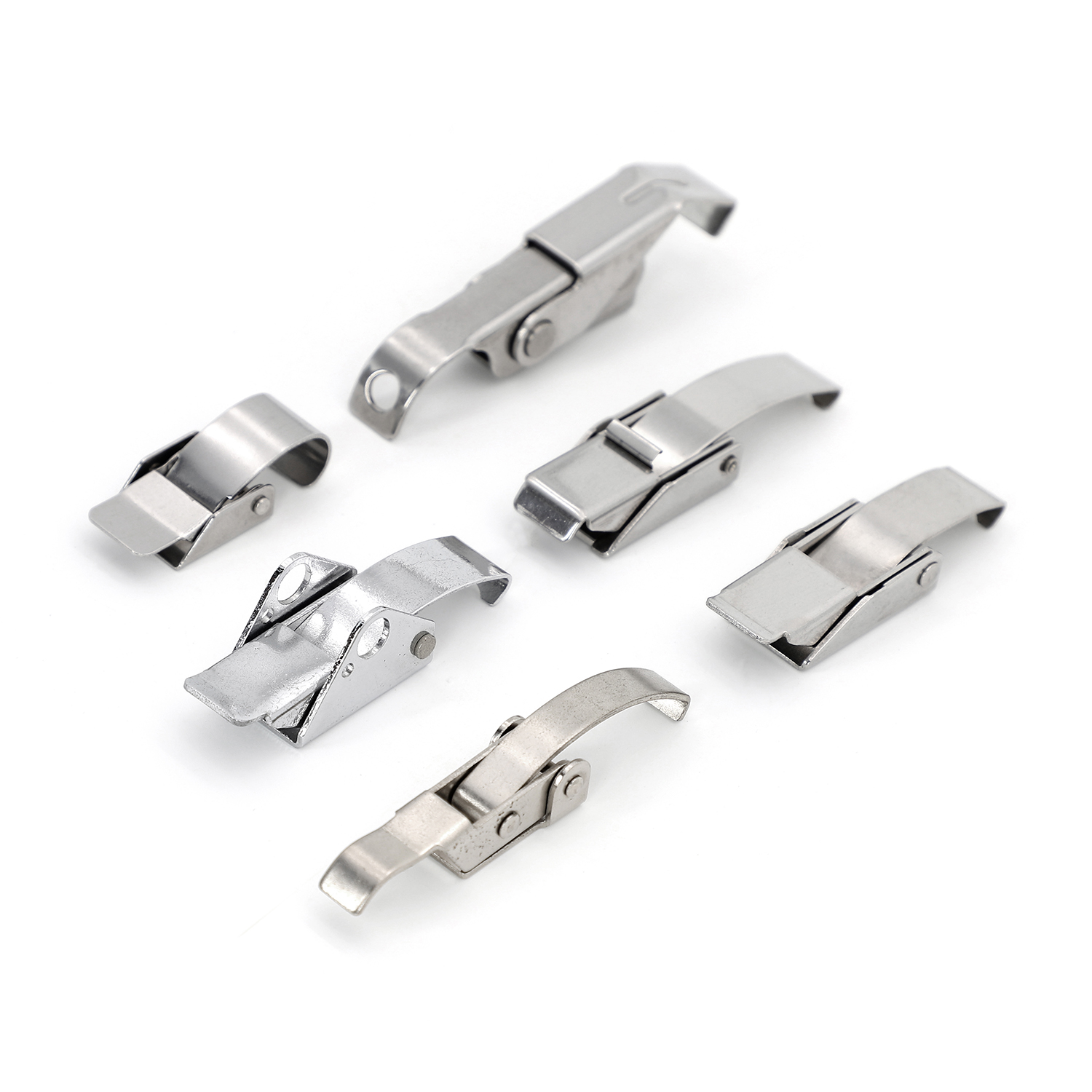
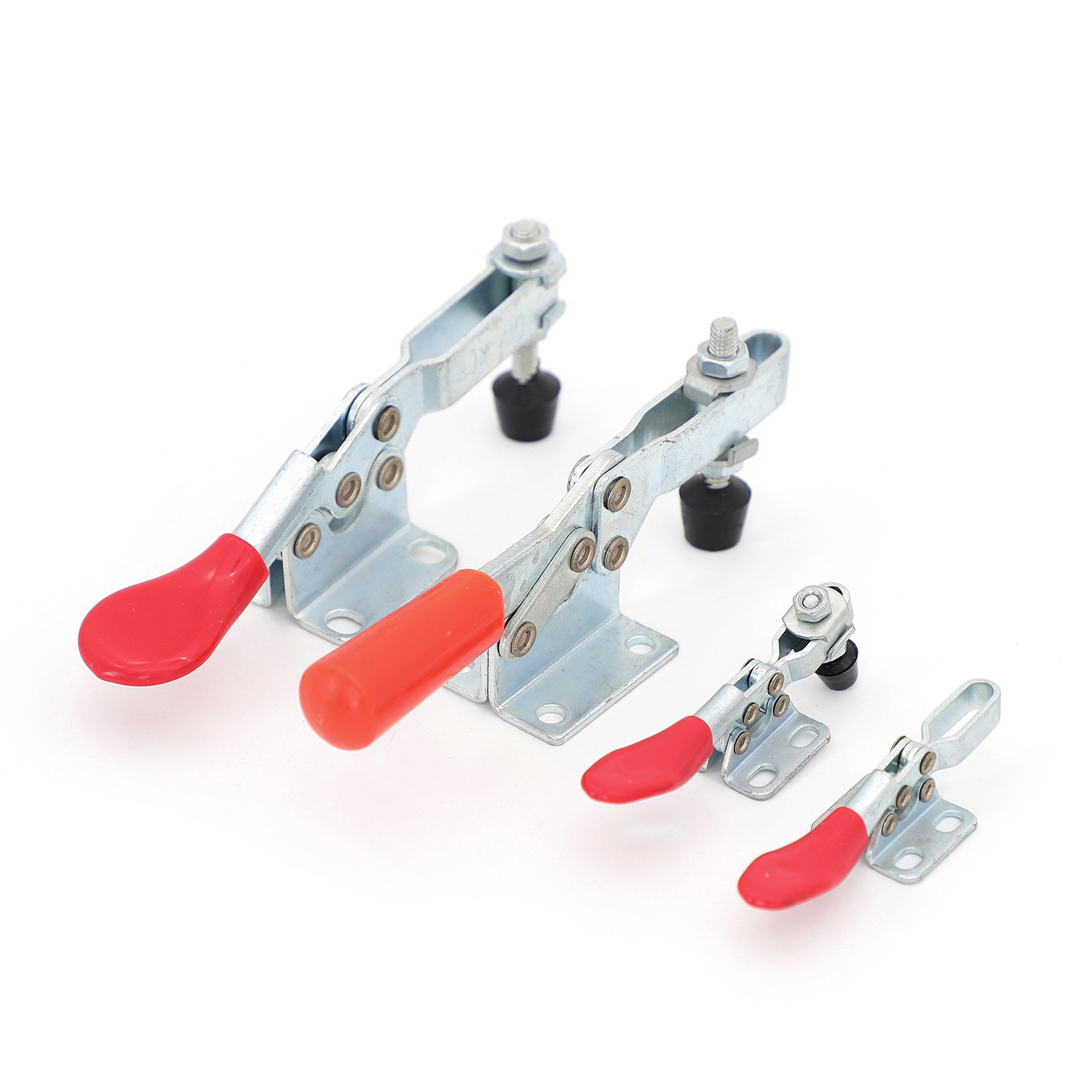
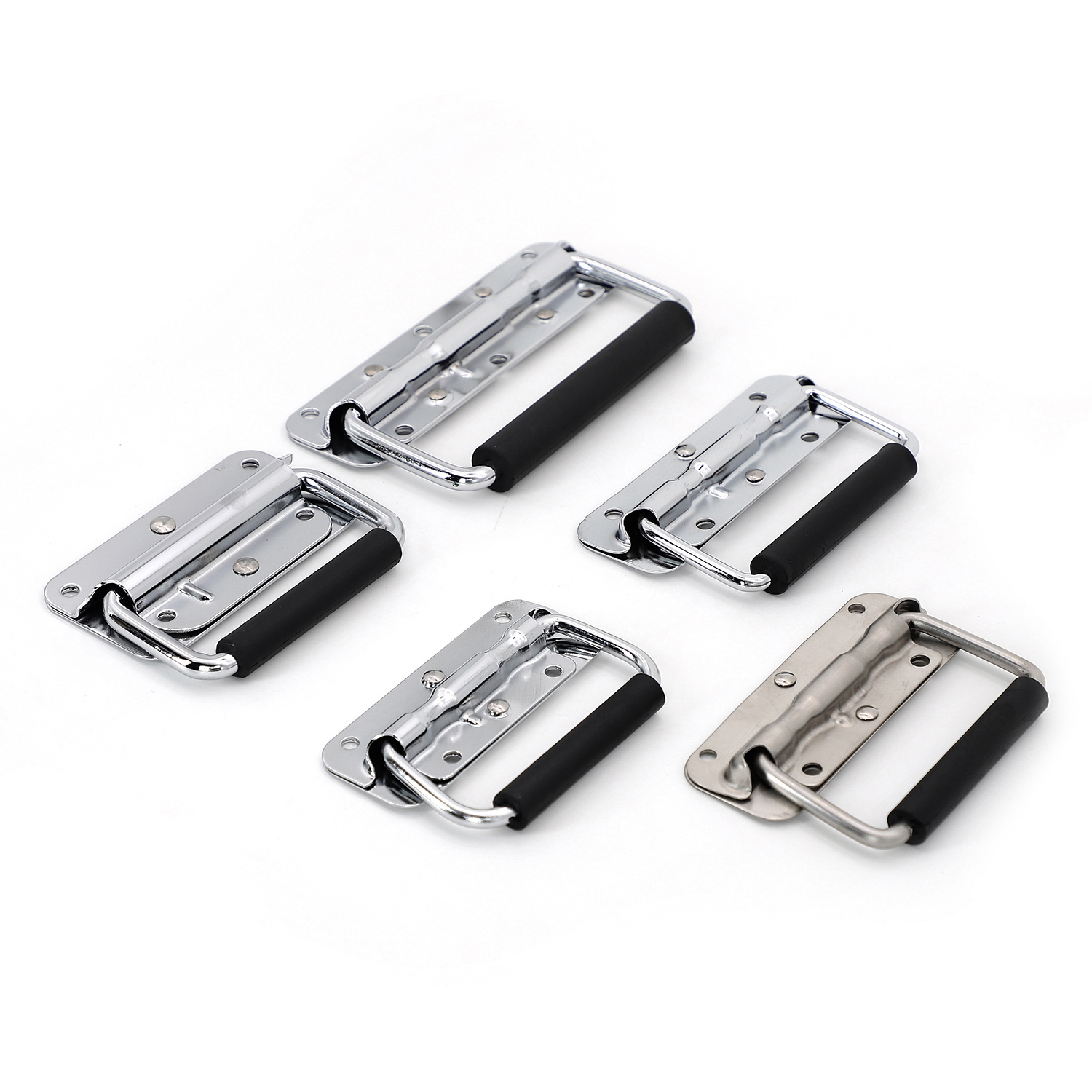
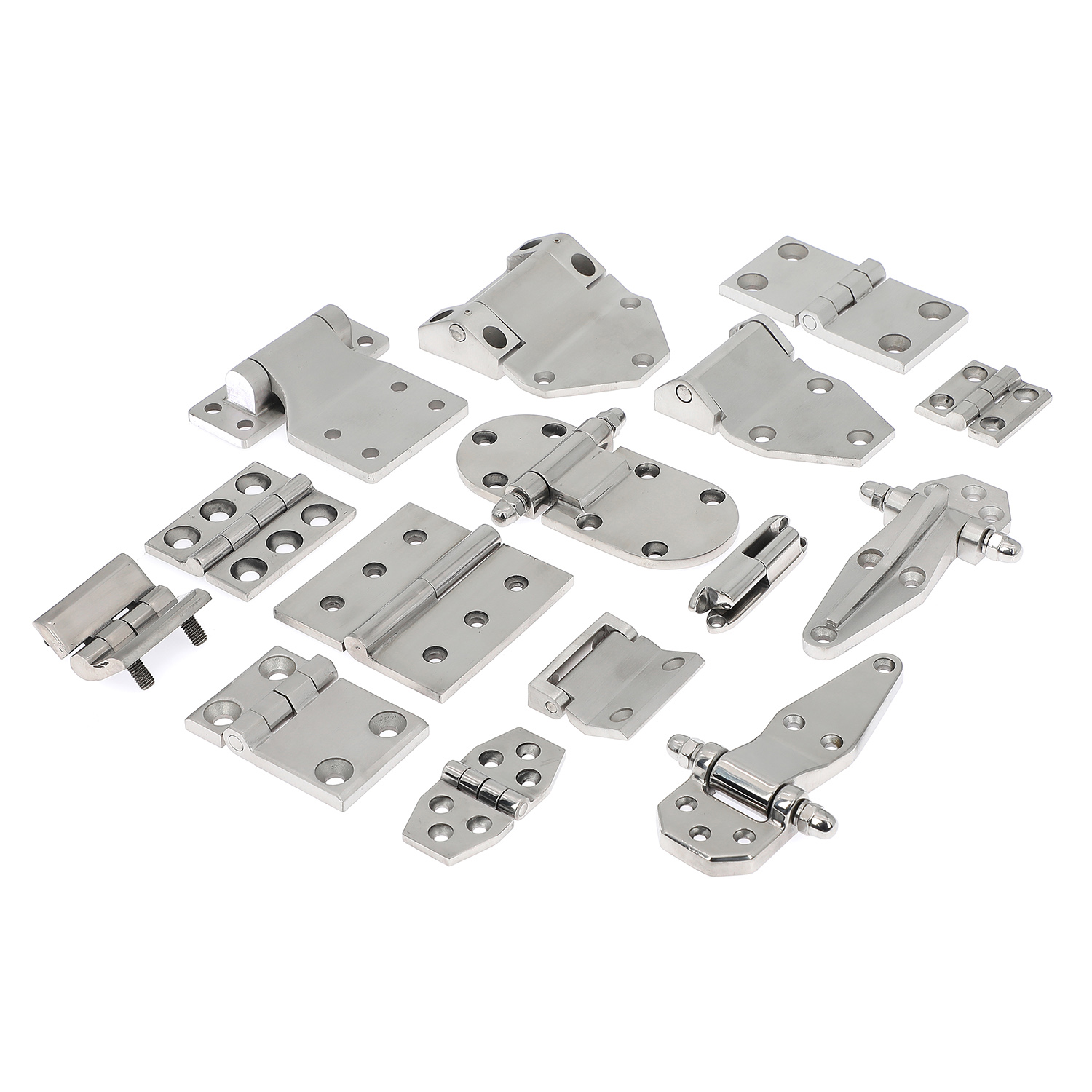
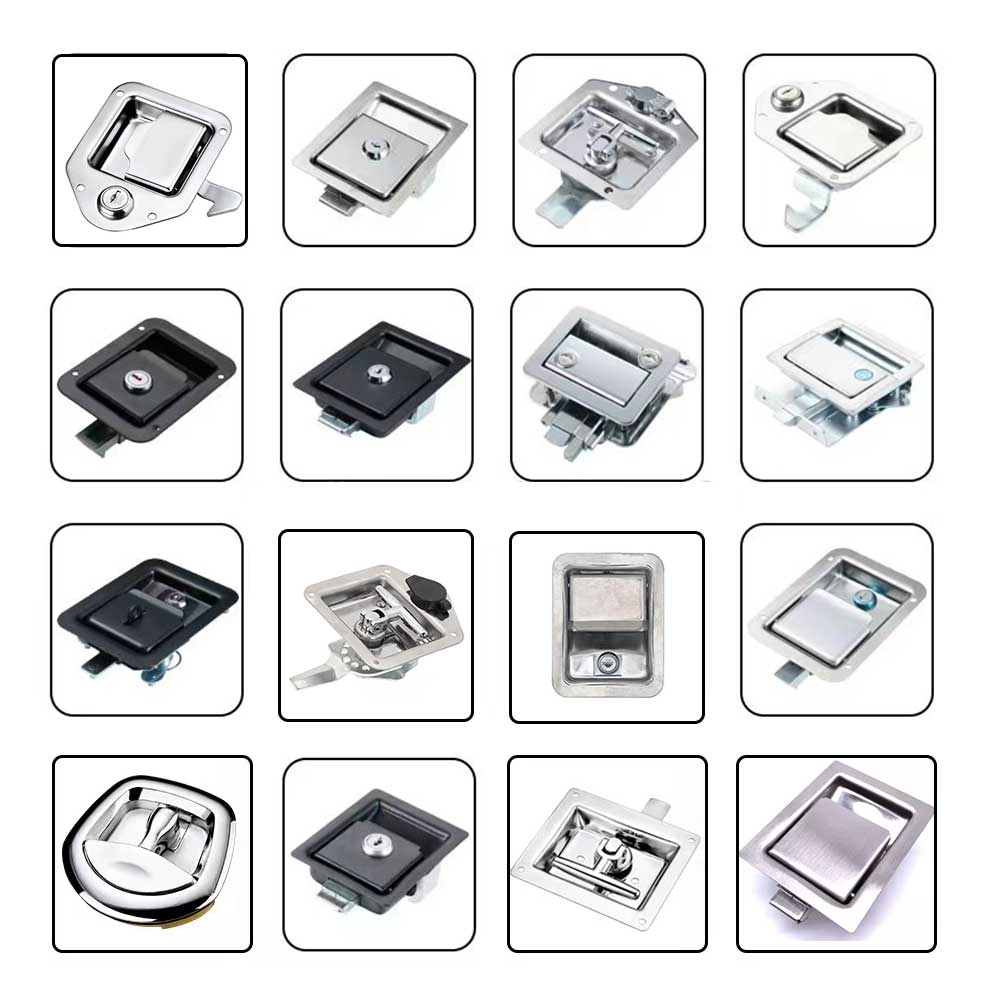
Industrial Toggle Latch Buying Guide for Engineers & Purchasers
Views : 130
Update time : 2026-03-26 16:20:19
Toggle latches are essential fastening components used across industrial machinery, transport equipment, enclosures, and access panels. For engineers and purchasers, selecting the right toggle latch is not just about price—it directly affects safety, durability, and operational efficiency. This buying guide outlines the key factors to consider when sourcing industrial toggle latches for your projects.
1. Define Application Requirements
The first step in selecting a toggle latch is understanding the application. Consider what the latch will secure—machine guards, electrical cabinets, vehicle compartments, or heavy equipment panels. Evaluate working conditions such as vibration, temperature, humidity, and exposure to chemicals.
For high-frequency use, choose latches designed for durability and repeated cycles. For harsh environments, prioritize corrosion-resistant materials and robust construction.
2. Load Capacity and Safety Margin
Load capacity is one of the most critical specifications. Toggle latches must withstand both static and dynamic forces during operation. Always select a latch with a load rating higher than the actual working load to ensure a safety margin.
- Light-duty: suitable for small enclosures and toolboxes
- Medium-duty: ideal for industrial equipment and vehicle panels
- Heavy-duty: required for large machinery and high-load applications
Proper load selection ensures long-term reliability and reduces the risk of failure.
3. Material Selection
Material choice impacts strength, corrosion resistance, and service life. Common options include:
- Stainless steel: ideal for outdoor, marine, or corrosive environments
- Zinc-plated or powder-coated steel: cost-effective for general industrial use
- Plastic/nylon: lightweight and suitable for low-load or electrical applications
Matching material to the environment helps maintain performance over time.
4. Latch Type and Functionality
Different toggle latch designs serve different purposes:
- Standard toggle latches: for general fastening
- Adjustable toggle latches: allow fine-tuning of clamping force
- Safety hook toggle latches: prevent accidental release in high-vibration environments
- Push-to-close latches: enable faster operation
Selecting the right type improves usability and operational efficiency.
5. Installation and Mounting Considerations
Ensure the toggle latch fits your mounting surface and aligns properly with the catch plate. Check hole spacing, latch size, and lever clearance. Adjustable hooks can help compensate for installation tolerances.
Use strong mounting surfaces and appropriate fasteners to prevent loosening or deformation during operation.
6. Quality Control and Supplier Evaluation
For bulk purchasing, supplier reliability is critical. Choose manufacturers with:
Proven production experience
In-house manufacturing capabilities
Quality control systems (e.g., ISO 9001)
Ability to provide samples and technical data
Consistent quality reduces defects and improves long-term performance.
7. Cost vs Long-Term Value
While price is an important factor, focusing only on the lowest cost can lead to higher long-term expenses. High-quality toggle latches offer better durability, reduced maintenance, and improved safety.
Consider total cost of ownership, including replacement frequency and downtime risks.
Conclusion
For engineers and purchasers, selecting the right industrial toggle latch requires balancing load capacity, material, functionality, and supplier reliability. By carefully evaluating these factors, you can ensure secure fastening, improved safety, and long-term performance in your applications.
Related News
Read More >>


