

 English
  Français
  Español
  Русский
  Português
Toggle Latch vs Draw Latch: What's the Difference?
Views : 2059
Update time : 2026-02-03 11:21:38
When fastening hardware is being selected for industrial and commercial applications, toggle latches and draw latches are two solutions that are often compared. They both serve the same purpose that is to pull two surfaces together and keep them tightly closed, but the differences lie in their mechanisms, load capabilities, and the applications they are best suited for. By identifying the distinctions between a toggle latch and a draw latch, you can be sure of making the right decision in terms of safety, performance, and long-term reliability.
What Is a Toggle Latch?
What Is a Toggle Latch?
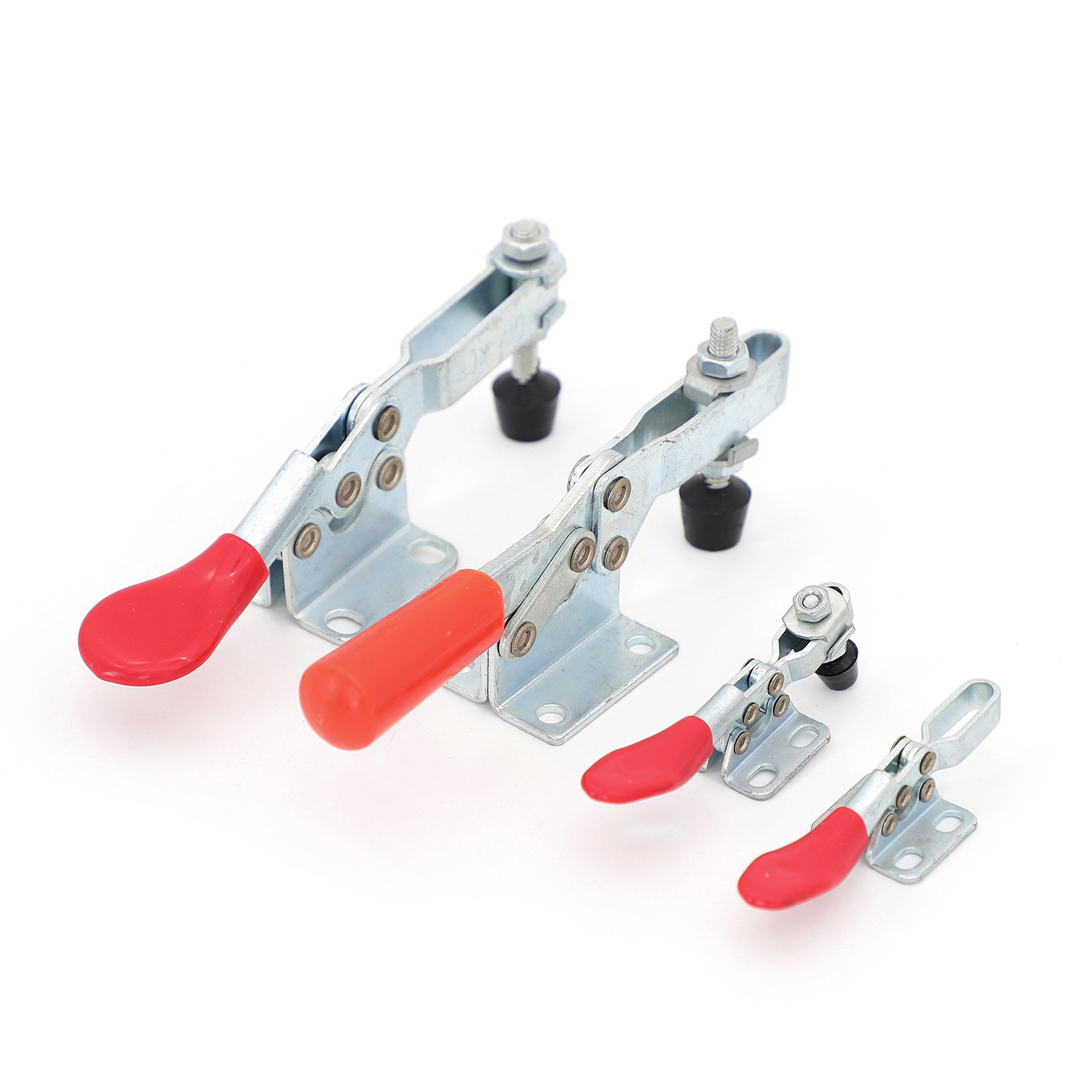
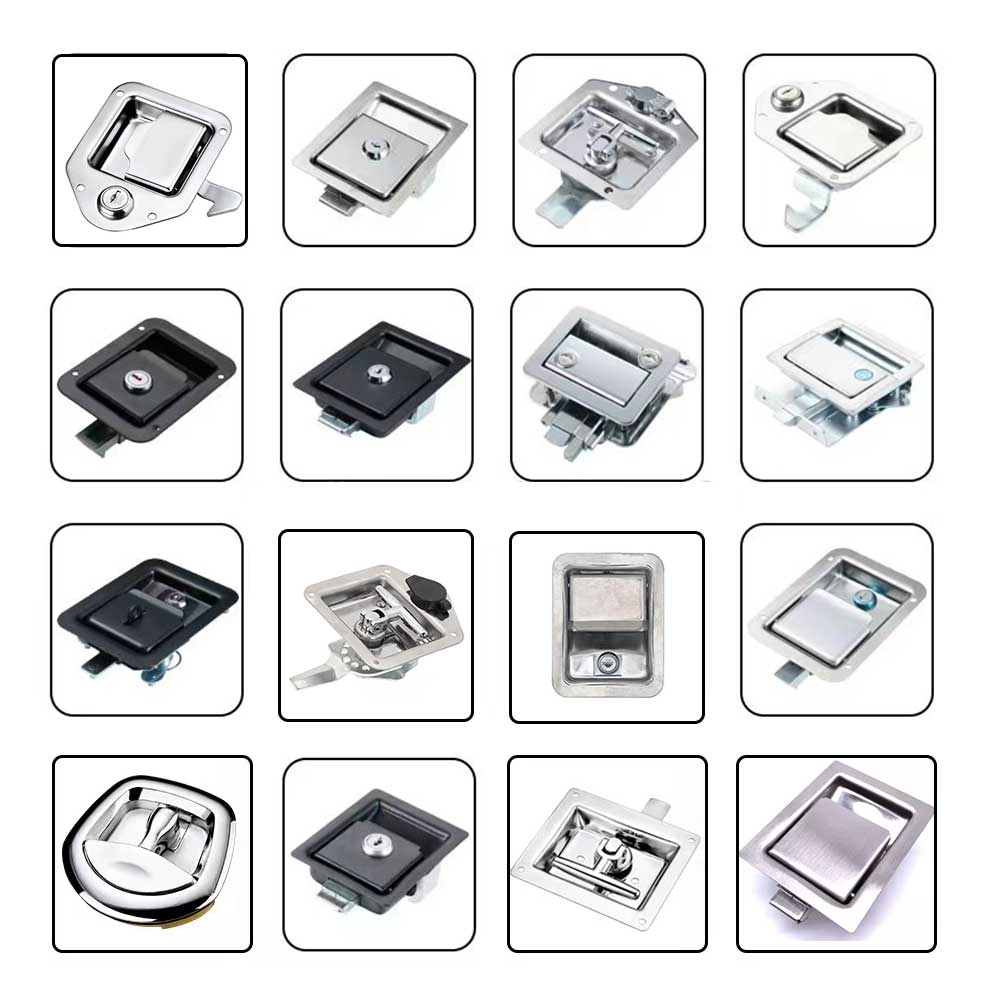
A toggle latch secures two surfaces using an over-center mechanism to generate a strong clamping force. A handle's closed position advances the linkage beyond its center point locking the latch against vibration and shock. In fact, this self-locking system enables toggle latches to keep the tension constant even when the environment changes continuously thus, dynamic conditions.
Toggle latches are commonly seen on the covers of industrial machinery, doors on equipment panels, transport cases, toolboxes, and access doors. Most of the time, toggle latches are built with adjustable hooks or threaded spindles thus, users can adjust clamping force as well as keep things in alignment over time.
What Is a Draw Latch?
What Is a Draw Latch?
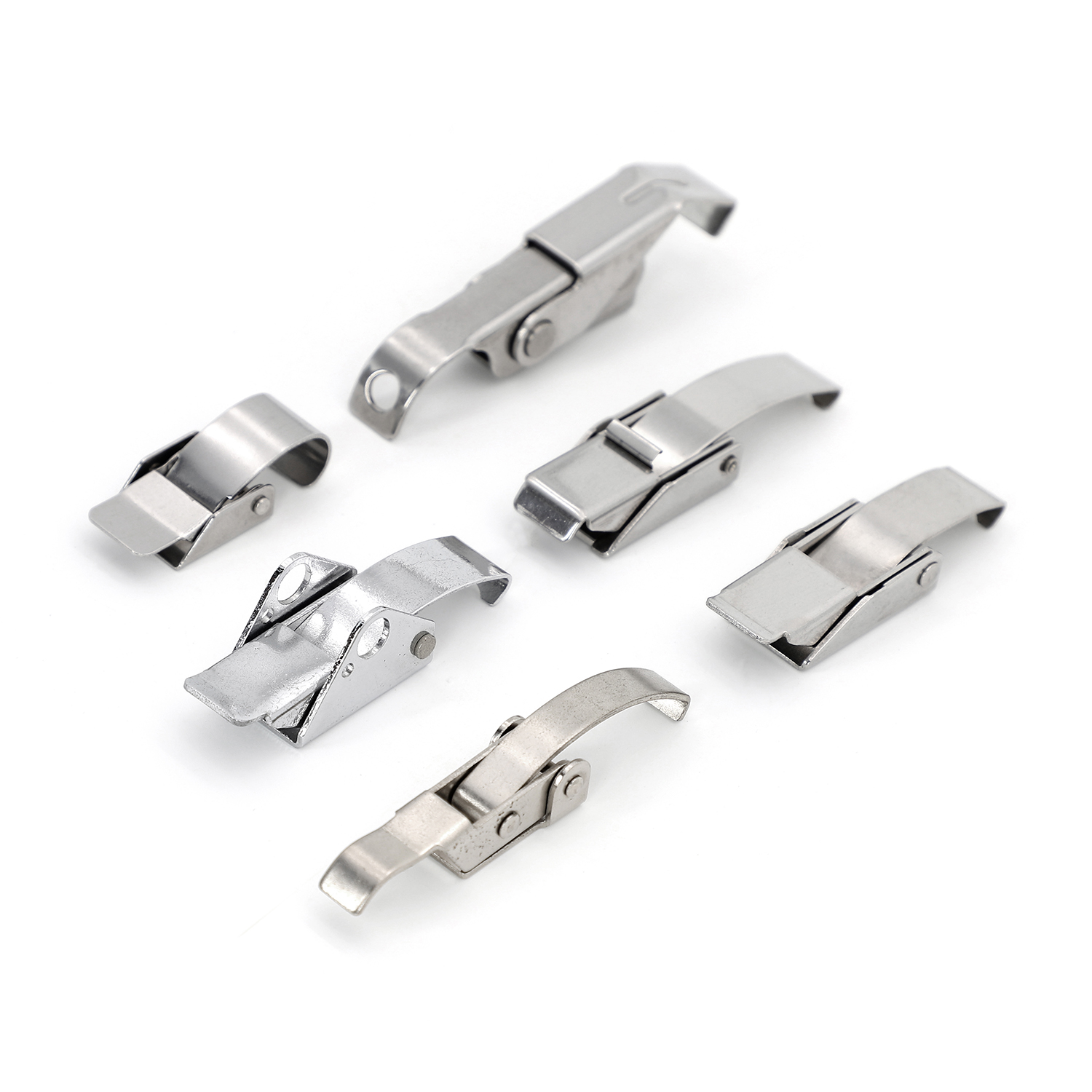
A draw latch, which is also called a pull latch in some cases, generally includes a hook and a catch plate. The hook gets two components physically closer when united. Due to their mechanical simplicity, draw latches can usually be installed and operated without any difficulty.
Draw latches are used on cabinets, storage boxes, light-duty enclosures, and cases where a moderate holding force is enough. They find usage in situations that require frequent access but do not undergo heavy vibration or high loads.
Key Differences Between Toggle Latch and Draw Latch
1. Locking Mechanism
Toggle latches achieve their locking by means of over-center actions that keep the latch tightly shut through resisting the user unintentionally opening it. Draw latches use the tension of the hook as a means of keeping the device locked and hence the self-locking feature is not present in these types of latches.
2. Load Capacity
In most cases, toggle latches carry a greater load capacity as they can be utilized in situations where there will be a lot of vibrations. On the other hand, draw latches are normally geared up to handle light to medium loads.
3. Vibration Resistance
Due to their over-center design, toggle latches can maintain their performance even in environments where there is constant movement or vibration. In such conditions, draw latches can get loose over time.
4. Adjustability
It is quite common for toggle latches to have a feature that makes them adjustable thus the user can set the force with which the parts are pressed together. On the contrary, draw latches are mostly characterized by very limited or no adjustment.
5. Cost and Simplicity
Draw latches are frequently very inexpensive and are of simpler design which makes them fit for non-critical applications. Whereas, on the one hand, toggle latches at first glance may seem a little more expensive but they do bring along with them a higher level of reliability and safety.
Typical Applications Compared
Toggles latches can be great for industrial equipment, machinery guards, transport containers, and all those applications which require strong, secure fastening. And on the other hand, draw latches are more appropriate for cabinets, cases, and general storage where the main concern is the ease of use plus the price.
How to Choose the Right Latch
In case your application is subjected to high loads, vibration, and is a safety-critical situation then a toggle latch would surely be the most excellent option. However, if the application calls for a closure that is basic with moderate holding power then a typical draw latch will do just fine.
Conclusion
The primary difference between toggle latches and draw latches is centered on their locking mechanisms, load capacities, and the resistance they have to vibration. You can have a better idea of which latch to buy after grasping those differences so as to achieve fastenings that are more secure, operation that is efficient, and performance that lasts long in line with your particular application.
Related News
Read More >>


