

 English
  Français
  Español
  Русский
  Português
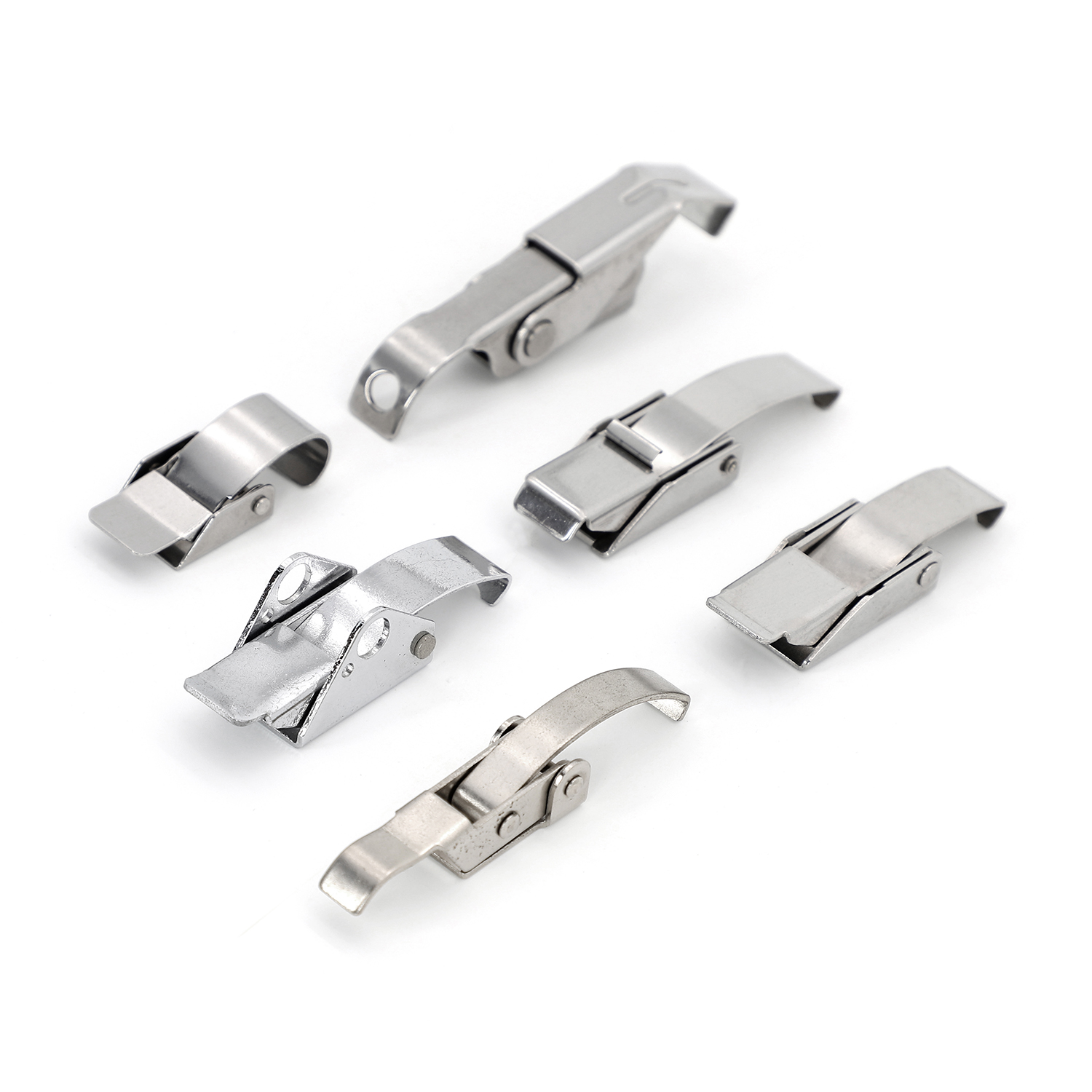
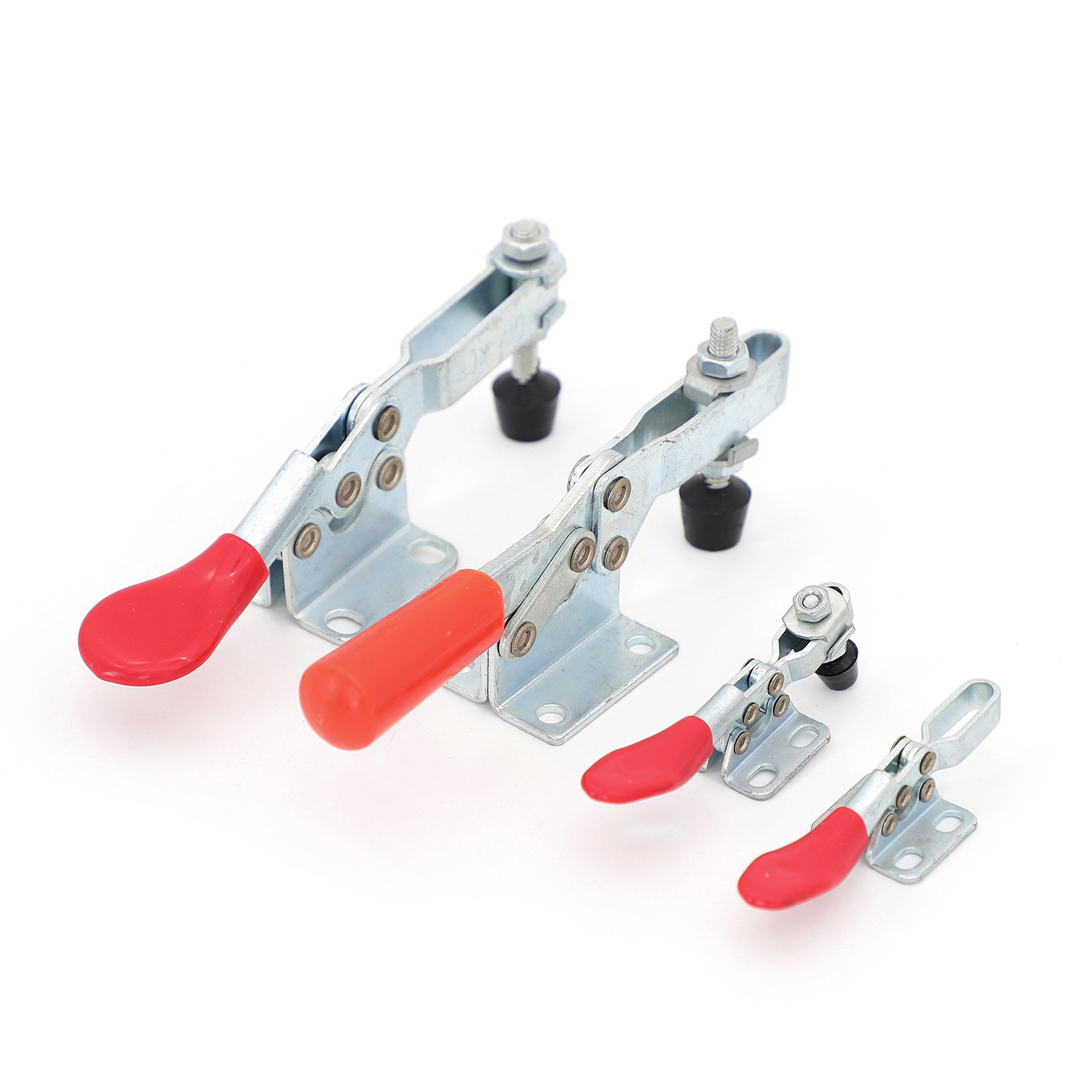
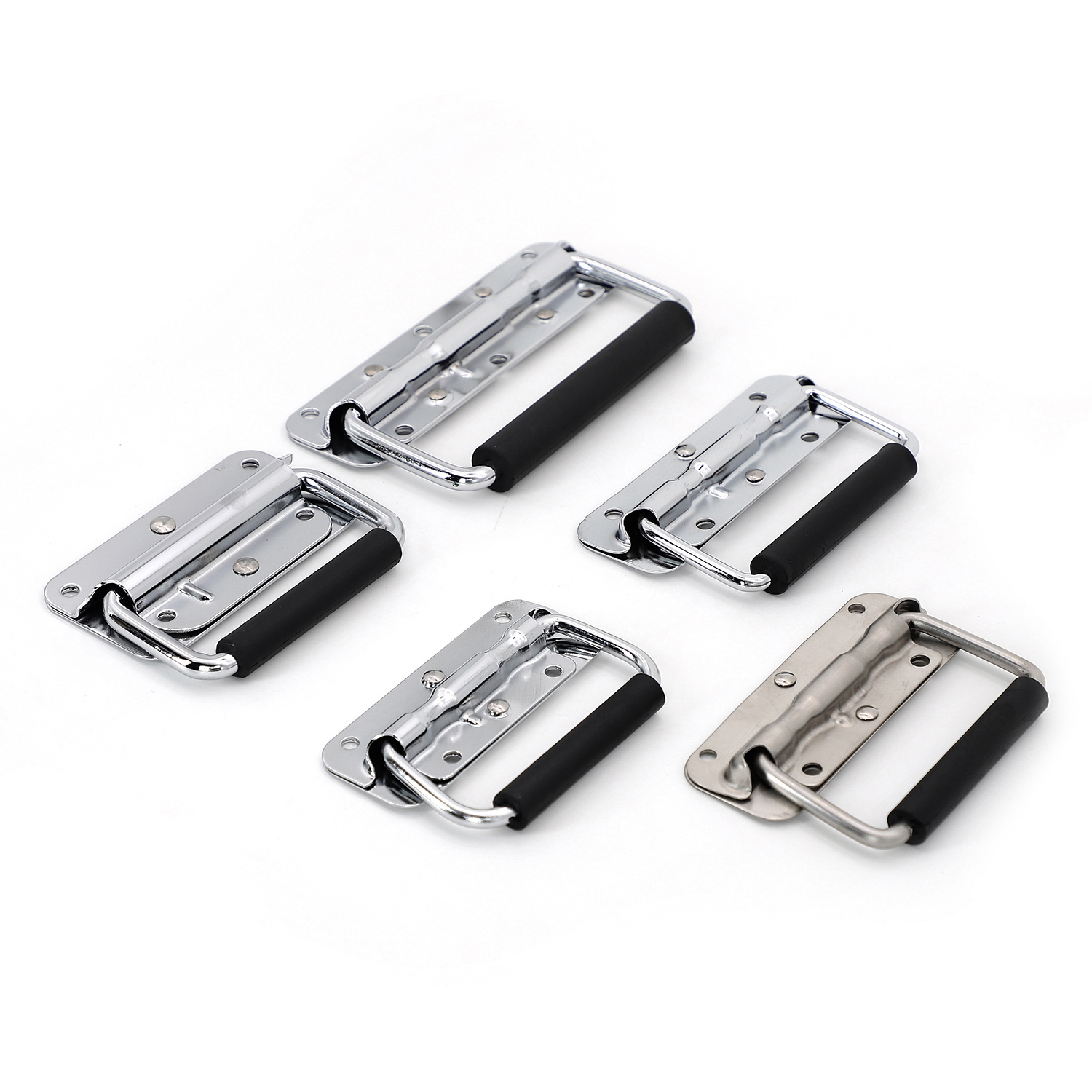
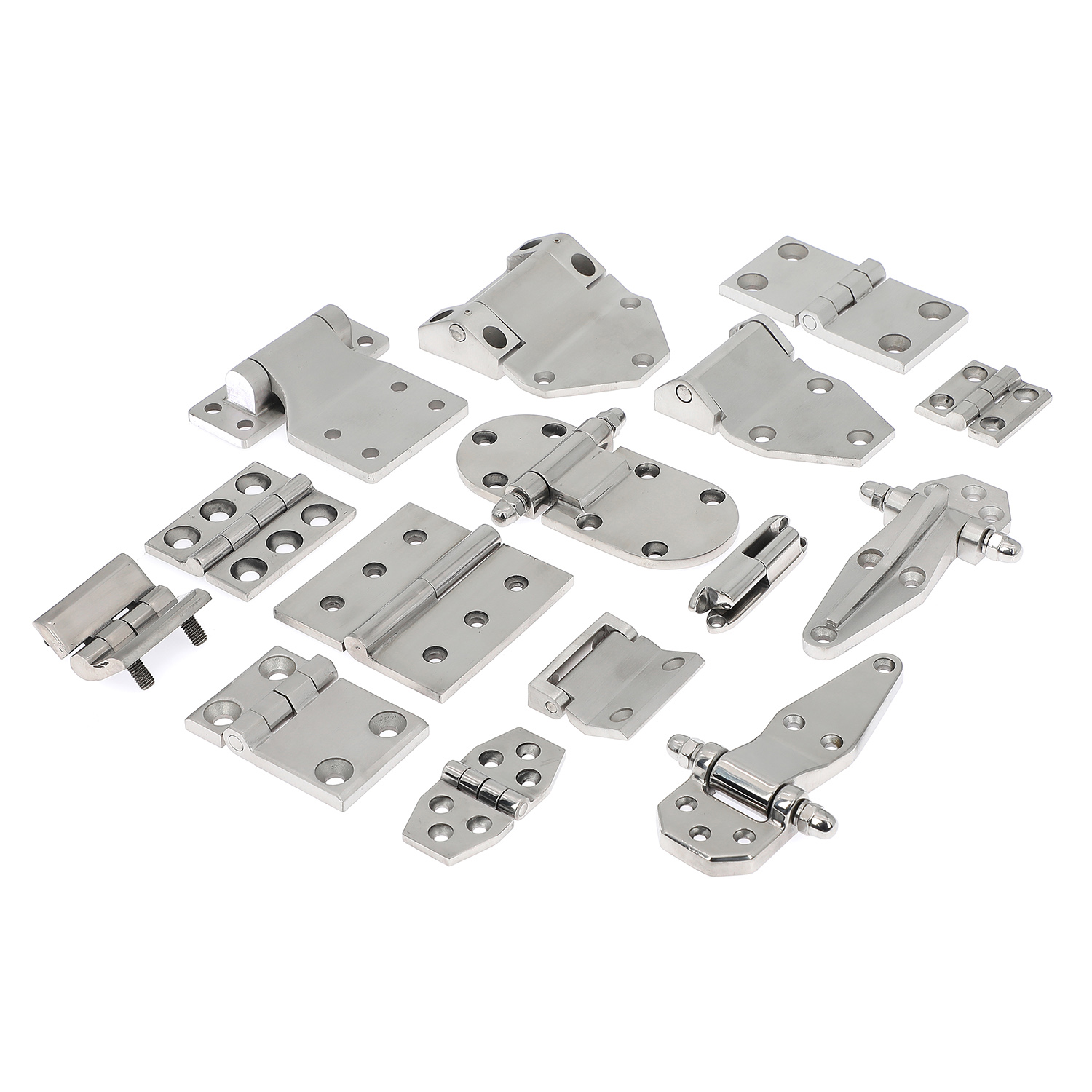
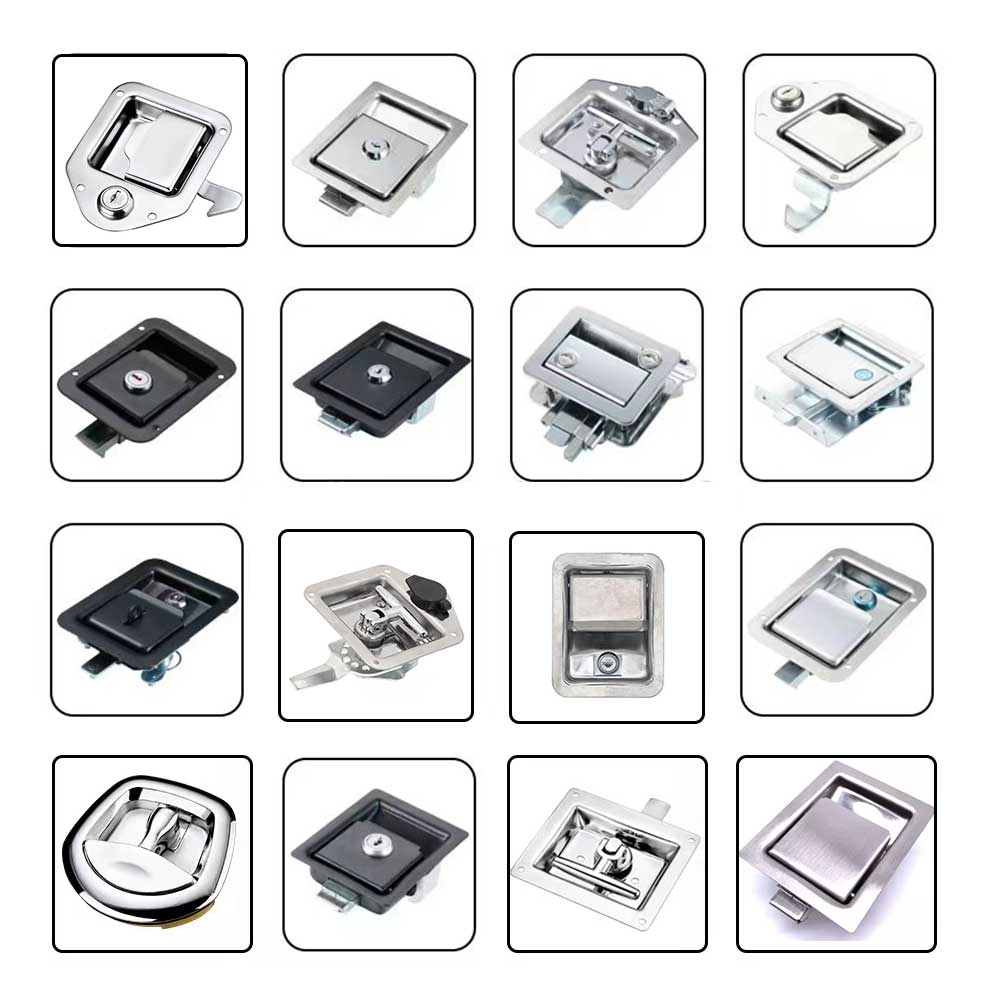
Toggle Latches Selection Guide: Load Capacity, Material & Installation
Views : 1259
Update time : 2026-01-28 11:54:25
Toggle latches are a staple in the industrial, automotive, and equipment sectors for fastening doors, panels, enclosures, and access covers.
They deliver a dependable sealing through the simple over-center mechanism, which is a quick operation and provides a strong resistance to vibration. Selecting the right toggle latch is not a matter of chance, one has to thoroughly consider the load capacity, material and installation requirements to ensure the safe and long-term performance of the toggle latch. This is an enlightening article that highlights the main aspects one should be thinking about when purchasing toggle latches for industrial purposes.
1. Load Capacity: The Foundation of Safe Selection
Load capacity is without a doubt the most critical factor when it comes to buying toggle latches. It essentially measures the force that the latch can bear and still be securely locked. In industrial settings where there is a lot of vibration, impact, and operation, the toggle latches are subjected to a high level of stress. It is therefore very important to always opt for a toggle latch that comes with a load bearing higher than that of the actual operating load.
This buffer zone acts as a sort of protection against the eventualities of early wear, distortion or even a complete failure. Light-duty toggle latches are intended for small doors and toolboxes, whereas medium- and heavy-duty toggle latches are meant for machinery covers, transport cases, as well as high-vibration equipment. The correct choice of load not only elevates the safety standards, but also the stability and durability of the product.
2. Material Selection: Matching Environment and Performance
Depending on the environmental and performance factors, one can choose between various toggle latch materials.
Stainless steel toggle latches last a long time and have super corrosion resistance, so you can use them anywhere on the outside of a building or in the ocean, in a food factory or a chemical plant.
If you still want to have a toggle latch made of steel, but without the high cost, you can come up with a carbon steel toggle latch having zinc plating or powder coating. Such a toggle latch can be utilized in a general industrial environment, where there is not much exposure to corrosion.
Plastic or nylon toggle latches are an option when one requires a lightweight, insulated, and limited-load or electrical enclosure-case.
When one is to choose the right material, the toggle latch does not lose its load carrying and locking capacity over time.
3. Installation Considerations and Mounting Design
Proper installation is key to the efficient operation of toggle latches. The mounting surface should be robust enough to handle the latch load without bending or breaking. The holes must be aligned and spaced according to the latch specifications to enable the correct functioning and even distribution of the load.
Adjustable hook or threaded spindle features are common in many toggle latches and they permit the adjustment of the clamping force during installation. This feature of the latch can be used to make up for the manufacturing tolerances and the wear of the part with time. If the application is subject to vibration, the use of locking fasteners and the adherence of the recommended torque values will further enhance the reliability.
4. Latch Type and Functional Options
Different toggle latch configurations support different installation and operational requirements. For general fastening, standard over-center toggle latches are suitable, whereas adjustable toggle latches allow the tension to be controlled precisely. Safety hook toggle latches have a secondary locking feature which prevents accidental release in situations of high vibration or high load.
Choosing the right latch type is the first step towards a functional and safe installation.
5. Long-Term Reliability and Maintenance
Correctly installed and suitable toggle latch are less likely to cause maintenance issues and downtime. Higher load ratings, appropriate materials, and proper installation are factors that contribute to the prevention of loosening and fatigue. In addition, regular inspection is important to confirm that the latch is still functioning within its design load range.
Conclusion
Selection of the right toggle latch should be based on comprehensive analysis of the load capacity, material, and installation considerations. A good combination of toggle latches featuring adequate safety margins, corrosion-resistant materials, and proper mounting design will result in secure fastening, reliable operation, and robust performance over time in industrial environments.
Related News
Read More >>


